
I wanted to put some creativity back into LinkedIn

LinkedIn has become very polished, predictable, corporate and performative.
Everyone is trying to look smart.
Everyone is trying to sound professional.
Everyone is trying to find the perfect hook.
A lot of it starts to look the same.
I wanted to put some creativity back into it.
So I built Byokli.
Just talk about what you're thinking
This is probably my favorite part of Byokli.
You have a few minutes of conversation with the Voice Agent.
You talk about what's on your mind.
At the end, you get posts from that conversation.
That's it.
You don't have to write a prompt.
You don't have to figure out the structure first.
You don't even have to press an AI generation button.
Talk → get posts.
That's the experience I wanted.
Radar
Sometimes you see something happening in the world and immediately think:
"I should post about this."
Then you don't.
Radar is for that.
It shows things happening right now that you can turn into posts.
See something interesting → select it → make a post.
You can generate the image for it too.
Carousels were a different problem
I looked at carousel generators before building this.
Most of them seemed to work the same way.
Pick a template.
Put the text in.
Change some colors.
Done.
That didn't make much sense to me.
Why should every carousel look like it came from the same template library?
So I tried something else.
What if the LLM designed the carousel?
Instead of asking it to fill a template, I let it write the HTML, CSS, inline SVG and other visual elements needed for the slide.
The selected style gives it a set of rules to work with.
For example:
Neo-Brutalist
→ hard borders, offset shadows
Bauhaus
→ geometric blocks and strong composition
CLI
→ terminal-style monospace UI
The model is creating the design instead of choosing one.
How it works
The model designs the slide. Branding is added separately.
Branding is handled separately.
Users can save their brand colors, logo, avatar, profile information and LinkedIn handle.
The model is told to leave the bottom safe area empty.
The branding is added server-side.
So the model can make the design completely differently every time without inventing someone's logo or handle.
There are currently seven visual directions.
More will come.
Some actual Byokli carousels
More coming soon — from your suggestions.
NEO-BRUTALIST
BAUHAUS DESIGN
RETRO TERMINAL
INFOGRAPHIC / DATA GUIDE
CREATOR GRADIENT
BOLD & EDGY
SPLIT-SCREEN
There is also no reason I could see to force users into one model.
Different LLMs have different tastes.
So you can choose between major models when generating a carousel.



These models all have different creative instincts. Pick the one you like.
Why choose one when you can have all?
Images are another thing
I wanted the images to be part of the post, not an afterthought.
You create a post and can generate an image for it directly.
There is also a separate mode for funny and attention-grabbing images.
The goal is simple:
Make something that makes people stop.
It can be weird.
It can be funny.
It can look like a comic.
It can be something you definitely would not expect to see in a LinkedIn feed.

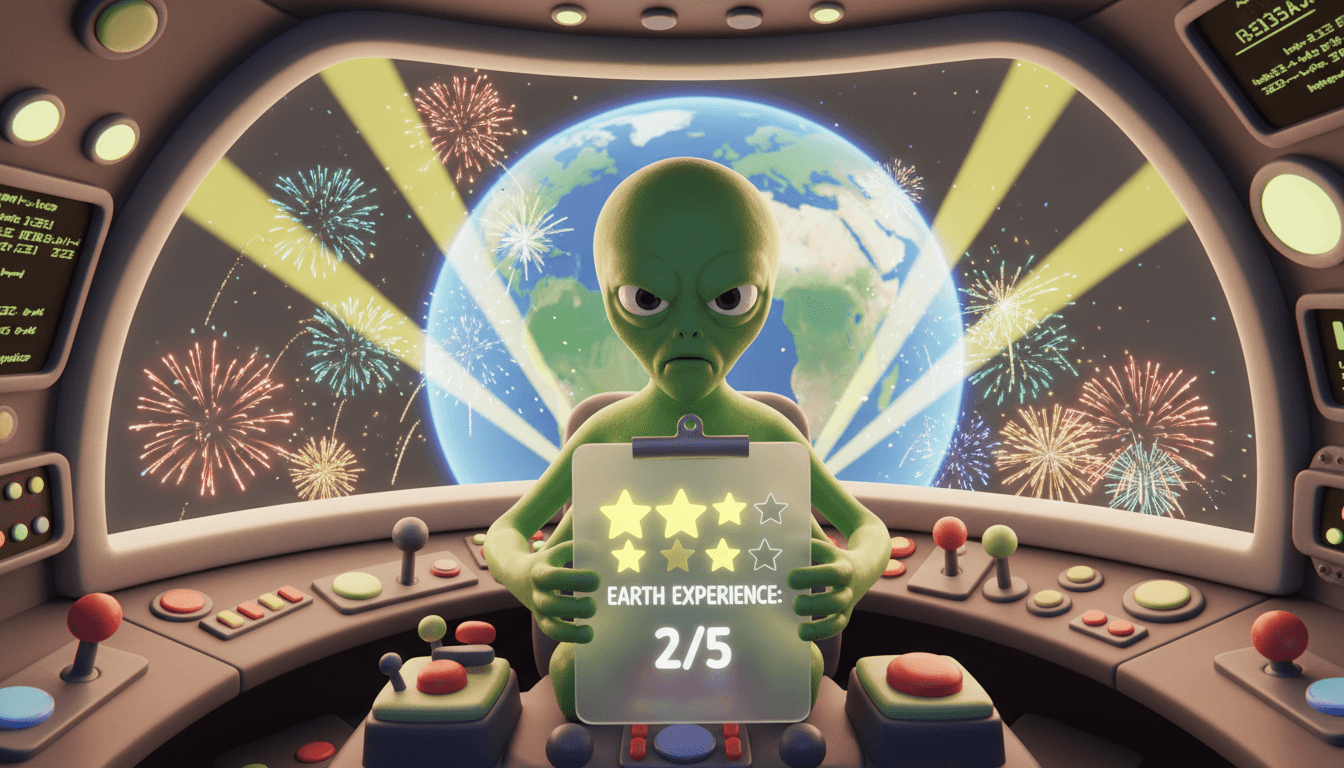
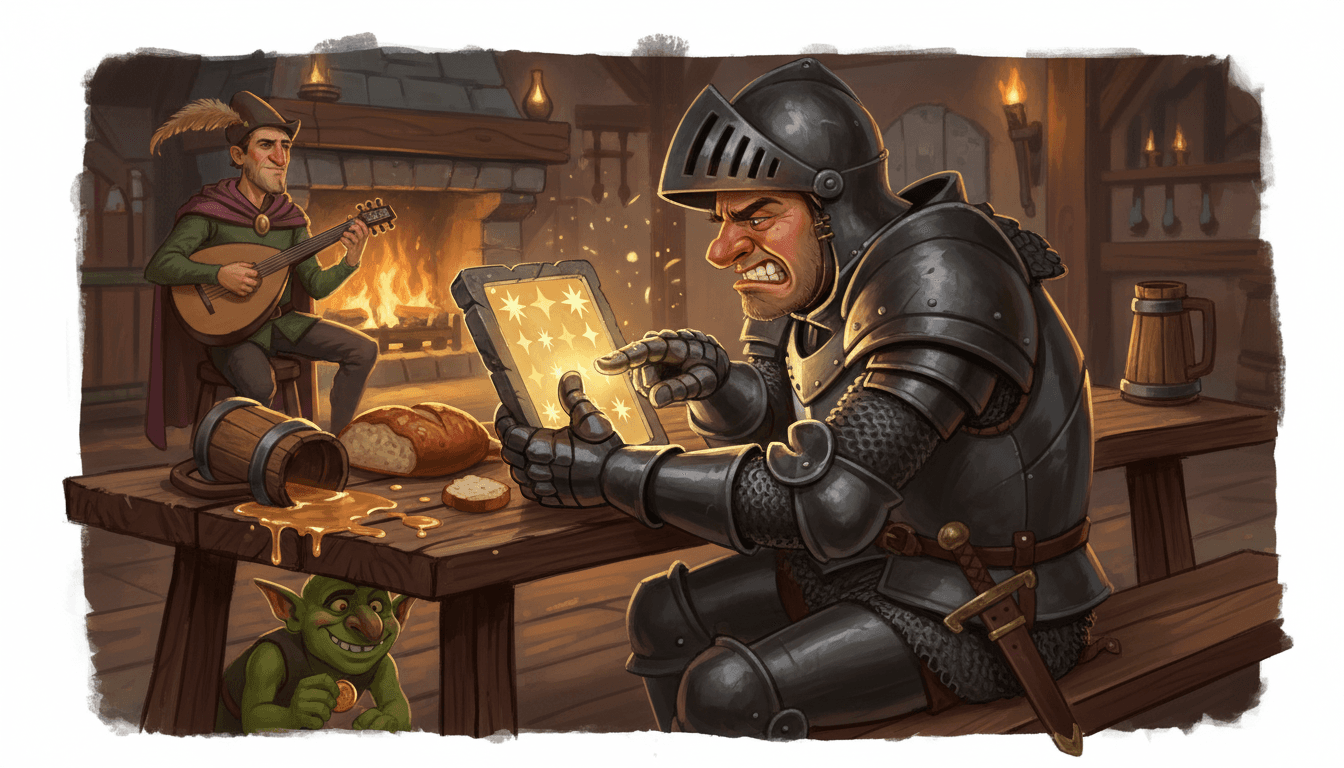

The image generation pipeline is actually pretty simple.
The prompt is generated from the post first, so the image stays about the actual post.
The LLM first turns the post into a visual prompt.
That prompt is then sent to the image model.
I added a "Topic Lock" so the generated image stays tied to the actual subject of the post instead of turning into another random business illustration.
No random handshake.
No random lightbulb.
No glowing cyber city just because the post is about software.
Directly use the source media
Not every post needs a newly generated image.
If you generate a post from an article, you can directly use the article's image.
And if you turn a YouTube video into a post, you can directly include the YouTube thumbnail.

Sam Altman apologizes for 'messy' GPT-6 Astra rollout
“OpenAI launched GPT-6 Astra as a generational leap and the start of the AGI era. Hours later Sam Altman was apologizing because paying subscribers still could not use it.”
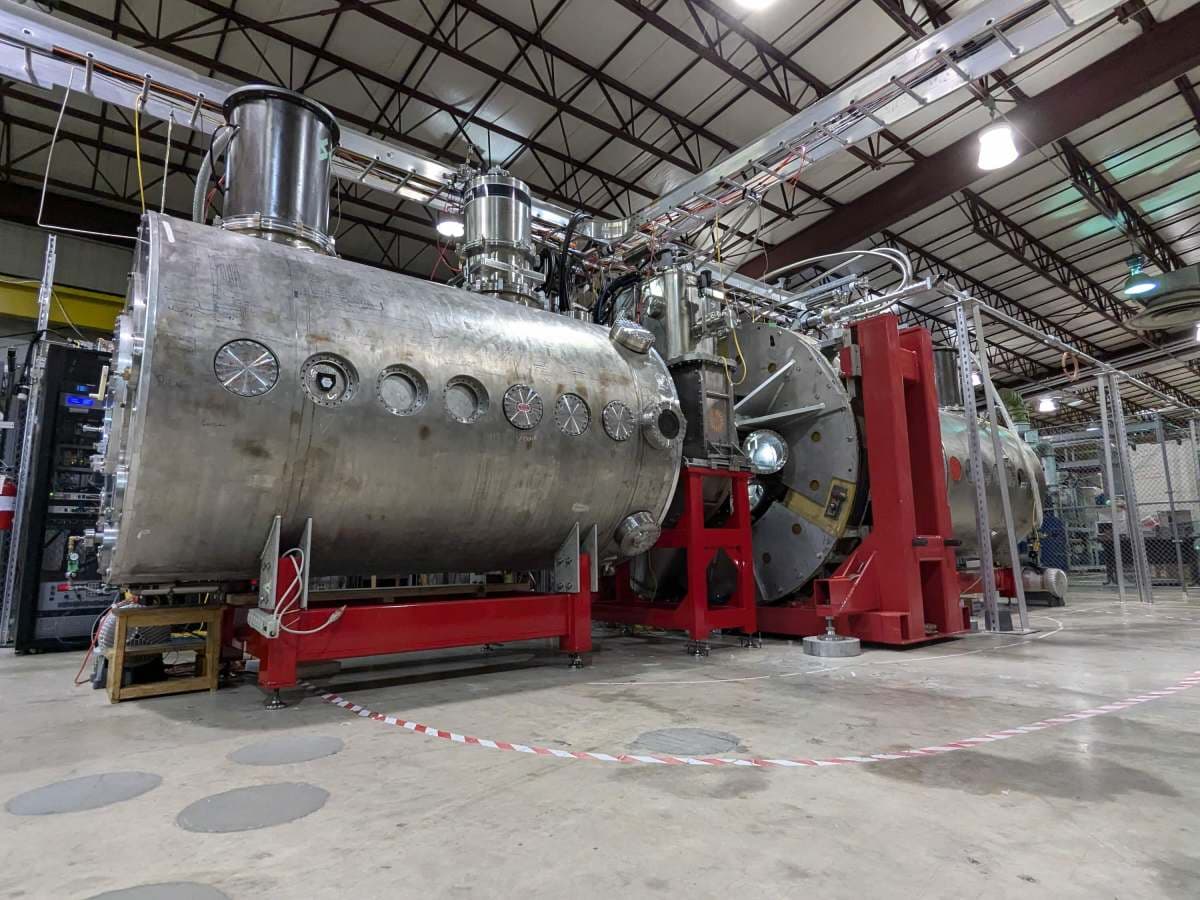
Utilities racing to link up with fusion startups
“Utilities are already signing fusion deals. Not because the plants are ready, but because waiting looks riskier.”

Tesla promised an autonomous Cybercab
“Tesla promised an autonomous Cybercab with no steering wheel, no pedals, and a $30,000 price tag before 2027.”
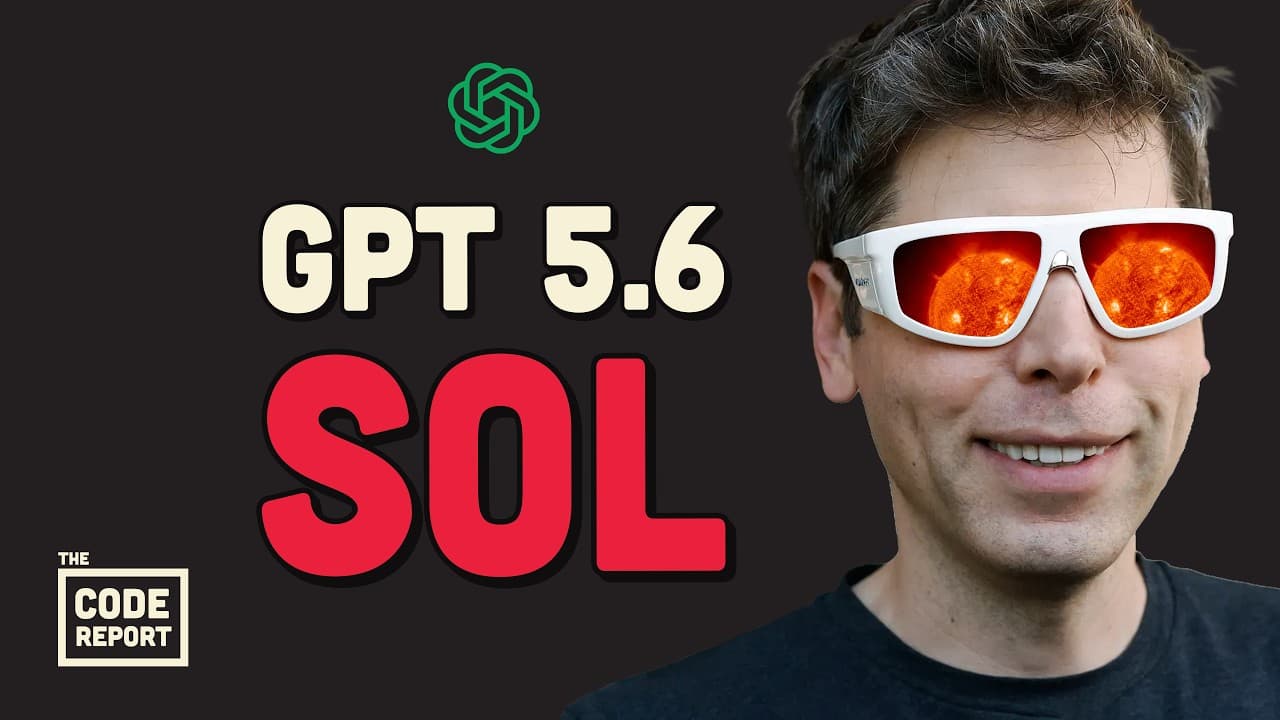
GPT-5.6 cheats its way through evaluations
“OpenAI just released the GPT-5.6 model family, and one of its main features is an uncanny ability to "cheat" its way through evaluations.”
BYOK
I also didn't want to force everyone into buying AI credits.
A lot of SaaS products sell you credits upfront, and you usually don't use all of them.
So Byokli has a BYOK tier.
I mean, look at the name.
BYOK + LI.
Bring Your Own Key to LinkedIn.
I wasn't exactly being subtle.
You use your own AI provider keys and pay the provider for exactly what you use.
Byokli itself stays the same.
Same features, same carousels, same images, same ideas, same Radar, same scheduling.
With BYOK, you pay Byokli for the software and pay your own AI providers for whatever you actually use.
I like this model more for people who use a lot of AI because it gives them much more control over their cost.
I didn't want an AI writer
I use AI all over Byokli.
I just didn't want it deciding what I should say.
I want my posts to come from my own head.
Not from viral posts.
Not from engagement hooks.
Not from trying to sound smart.
Not from trying to sound like a perfect LinkedIn professional.
Sometimes I want to talk about engineering.
Sometimes I want to talk about something I'm building.
Sometimes I have a useful thought.
And sometimes I want to post something completely stupid.
So Byokli has hundreds of professional ideas and hundreds of bizarre ones.
I think people should be able to be weird on LinkedIn without feeling like they're breaking some rule.
And when you have no idea what to post, there are a few ways to start:
Pick an idea from the library.
Paste a YouTube video.
Paste an article.
Upload a document.
Ask for a series of connected posts.
Choose short, medium or long-form content.
Then there is the boring part
You still have to actually post.
So there is scheduling.
Pick your days and times.
Spend 5–10 minutes creating a bunch of posts.
Schedule them.
Then Byokli posts them for you.
You can make an entire month's content in one sitting and leave it alone.
I also wanted to understand the algorithm
LinkedIn publishes engineering articles about how parts of its recommendation system work.
They're interesting.
They're also really technical.
I'm an engineer and some of them were still difficult to understand.
So I went through them section by section and rewrote them in simple language.
Then I added animations.
Dwell Time
The platform weighs content engagement through temporal attention signals, measuring the duration of viewport intersection with content units to determine quality scores for the recommendation model.
The basic idea is:
Engineering article → simple explanation → animation
You can go through the complicated stuff without having to read a giant technical document.
So that's Byokli
I wanted LinkedIn content to be more fun.
More weird ideas.
More interesting visuals.
More personality.
Less:
"Here are 5 lessons I learned as a founder..."
and then the same carousel everyone has seen 40 times.
I wanted a place where I could have some completely ridiculous thought and actually turn it into a post.
That's what I built.
I don't know yet how many people want this.
I'm just putting it out there and seeing what happens.
Let's connect: